
Specific applications of hollow glass microspheres in thermal insulation coatings
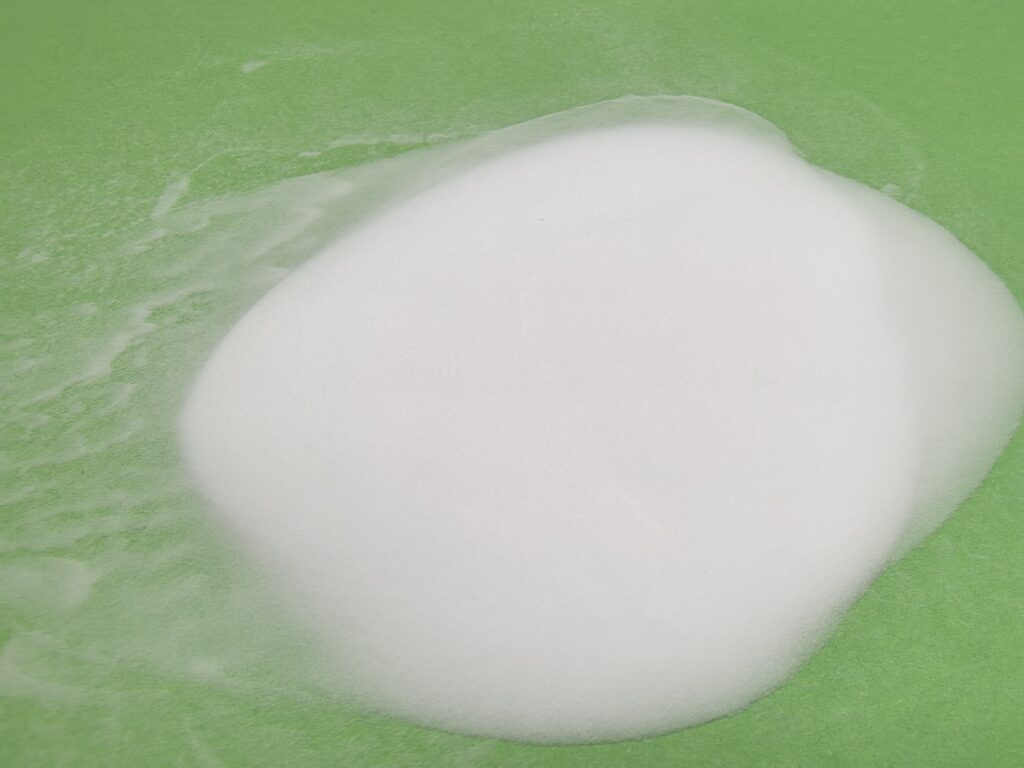
Hollow glass microspheres are lightweight, hollow spherical inorganic materials made of borosilicate glass. With low density, low thermal conductivity, excellent chemical stability and adjustable particle size, they have become a core functional filler for high-performance thermal insulation coatings. Different grades such as HL15 and HL20 are widely adopted in various water-based and solvent-based coating systems, bringing remarkable improvements to thermal shielding, mechanical properties and construction performance of finished coatings.
The most prominent function of hollow glass microspheres in thermal insulation coatings is thermal barrier. The closed hollow structure of each microsphere locks stationary air inside. Since air has very low heat conduction efficiency, the formed micro-air layer effectively blocks heat transfer through conduction and convection. When evenly dispersed in coating film, these microspheres build up continuous thermal resistance networks. For exterior wall thermal insulation coatings, roof reflective coatings and industrial equipment anti-heat coatings, they significantly lower surface temperature of substrates, reduce energy consumption for cooling and heating, and alleviate thermal aging of base materials.
In architectural thermal insulation coatings, hollow glass microspheres help produce thin-layer thermal insulation systems. Traditional thermal insulation fillers often require thick coating thickness to achieve ideal heat insulation effects. In contrast, hollow glass microspheres can deliver obvious insulation performance even within thin film. Meanwhile, they reduce coating density and lower overall material weight. The spherical shape improves the flowability of coating slurry, avoids sedimentation and facilitates roller or spray construction. They also decrease shrinkage during film formation, reducing common defects like cracking and hollowing of exterior wall coatings under alternating hot and cold conditions.
For industrial anti-high-temperature thermal insulation coatings used on pipelines, storage tanks and kiln outer walls, hollow glass microspheres show outstanding resistance to high temperature and weak acid-base corrosion. Compared with lightweight clay, sepiolite and other conventional insulation fillers, borosilicate hollow glass microspheres maintain stable hollow structure under long-term medium-high temperature environment without collapse. HL series grades including HL15 and HL20 with balanced compressive strength can keep complete spherical shape during mixing and coating production, so insulation performance will not decline due to particle breakage.
In addition to thermal insulation performance, hollow glass microspheres optimize comprehensive coating quality. They enhance the hardness, wear resistance and weather resistance of coating films, extend service life of thermal insulation coatings exposed outdoors. Moreover, they cut down the dosage of resin raw materials, helping manufacturers lower production costs and reduce volatile organic compound emissions.
With growing global demand for energy conservation, hollow glass microspheres continue to expand their market share in thermal insulation coatings. Reasonable selection of particle size and density grades can maximize thermal shielding effects, making hollow glass microspheres an irreplaceable functional material for energy-saving coating development.